- Academic Affairs
Institutional Research
- Liberal Arts Center 224
- 8:30 a.m. - 4:30 p.m.
- 570-348-6211 x2627
- institutionalresearch@marywood.edu
Institutional Research
The Office of Institutional Research provides leadership and support for institutional reporting compliance, data-driven, decision making, and evaluation efforts for the Marywood University community. We work collaboratively with University constituents to ensure that the data and analysis provided meets their need for planning and assisting institutional effectiveness.
- Respond to internal and external requests for information about the institutional characteristics of Marywood University
- Provide accurate and timely information and analyses concerning Marywood University's student body, programs, faculty and staff, finances and other areas of interest and importance
- Analyze and interpret information regarding the characteristics, activities, operations, and policies of Marywood University
- Collect and warehouse longitudinal student, faculty/staff, and institutional data
- Compile and publish Factbook and Common Data Set
- Provide data to facilitate the departmental self-study process
- Maintain an electronic executive information system and provide timely information updates
- Initiate and perform research relevant to anticipated institutional policy and decision-making needs
- Tableau Dashboards
- Factbook
- Common Data Set
- IPEDS Reporting
- Faculty Course Evaluations
- NCAA Reporting Compliance
- State Authorization Reciprocity Agreement Reporting
- Federal Foreign Sources Reporting Compliance
- Department Accreditation Data Support
- External Surveys
- Facilitate the development of an awareness of outcomes assessment in the institutional community
- Initiate student evaluations of instruction process and report to academic leadership
- Collect and process data from student evaluations of instruction surveys
- Conduct surveys that evaluate:
- the impact of the Marywood experience on graduating students
- current student satisfaction
- the value of a Marywood education to alumni
- Provide resource support for unit activities related to outcomes assessment
Marywood University conducts consistent assessment of its success in achieving its mission and its mission to educate students. These learning outcomes guide the institution’s mission to foster social responsibility, sustainable solutions and ethical leadership, emphasizing commitment to the common good, human dignity, and holistic education. The assessment of institution-wide student learning outcomes is an enduring activity across the University including all academic programs and co-curricular programs.
Core Outcomes were developed from the nationally recognized LEAP Essential Learning Outcomes, The Middle States Commission on Higher Education's general education standards, and the credit requirements of the PA Department of Education and are regularly assessed.
- CATHOLIC IDENTITY: Marywood University values reflection on the process of respectful engagement with people of diverse faiths and worldviews through thoughtful dialogue or collaboration. It is the articulation of the connection between the work of the discipline and the pursuit of truth, goodness, beauty, justice, and the common good.
- RESPECT: In the spirit of Marywood University’s commitment to community, the demonstration of behaviors that honor the dignity, worth, and unique identity of every individual through the application of ethical and just decision-making in academic, social, and professional contexts. Evaluate how choices and actions impact environmental stewardship, impact, and sustainability.
- EMPOWERMENT: Through the use of academic knowledge and skills, Marywood University values the pursuit of real-world goals with confidence and with the ability to analyze complex problems and create informed responses, to support accessibility, and to demonstrate self-advocacy, initiative, and leadership in academic and community settings.
- SERVICE: Marywood University’s community members identify and analyze real community needs or larger systemic inequities through research, dialogue, and observation. The goal is to prepare students to integrate academic learning with professional development.
- EXCELLENCE: Our institutional values demonstrate mastery of discipline-specific knowledge and skills in pursuit of high academic and professional standards. The focus is on high-level cognitive skill building, including critical thinking and communication skills.
Marywood University assesses these outcomes through both direct and indirect measures, including the review of student work, exams, projects, surveys, and other feedback mechanisms including evaluations and surveys.
Institutional Data
Each year, the Office of Planning and Institutional Effectiveness publishes a Fact Book to present concise tabular trend information on Marywood's students, personnel, finances, and facilities.
The Fact Book is a source of information on important institutional measures, in a format that is easily accessible to all members of the Marywood community.
The Office of Planning and Institutional Effectiveness collects, analyzes, and interprets data about Marywood.
These data are then used to guide University planning and decision-making.
Data on graduation rates are consistent with changes in Student Right to Know regulations.
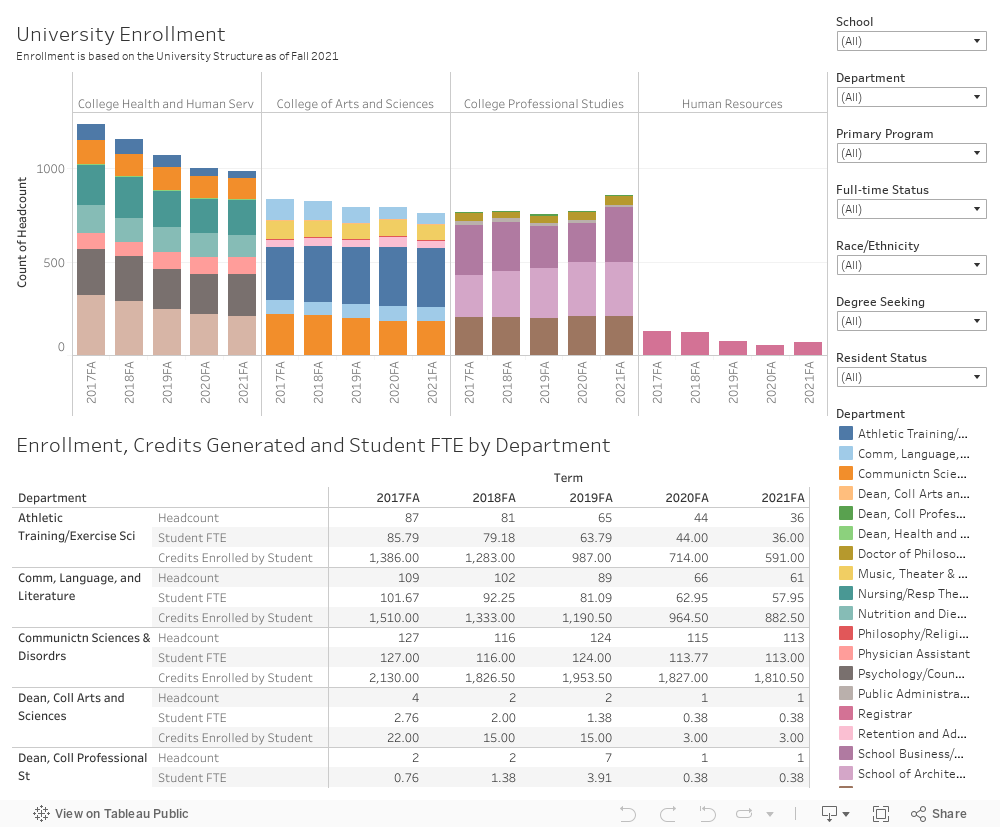
The Office of Planning and Institutional Effectiveness has created several interactive custom reports to help make it easier for faculty, staff, and administrators to visualize institutional data in a user-friendly platform. The visualizations are based on our IPEDS data and include information on undergraduate and graduate enrollment by gender, race, and program.
The Common Data Set (CDS) initiative is a collaborative effort among data providers in the higher education community and publishers as represented by the College Board, Peterson’s, and U.S. News and World Report. The combined goal of this collaboration is to improve the quality and accuracy of information provided to all involved in a student transition into higher education, as well as to reduce the reporting burden on data providers.
The CDS is a set of standards and definitions of data items rather than a survey instrument or set of data represented in a database. Each of the higher education surveys conducted by the participating publishers incorporates items from the CDS as well as unique items proprietary to each publisher. Consequently, the publishers’ surveys differ in that they utilize varying numbers of items from CDS.
Those who report data for their colleges are urged to abide by the definitions and the cohorts specified when answering CDS items. They are also urged to use the answers to CDS items to respond to the numerous survey requests and to publish the CDS on their websites.
The goals of the Common Data Set Initiative are:
Development of clear, standard data items and definitions in order to determine a specific cohort relevant to each item.
Data items and definitions used by the U.S. Department of Education in its higher education surveys often serve as a guide in the continued development of the CDS.
Common Data Set items undergo broad review by the CDS Advisory Board as well as by data providers representing secondary schools and two- and four-year colleges. Feedback from those who utilize the CDS also is considered throughout the annual review process.
The Office of Planning and Institutional Effectiveness gathers information about student experiences while they are attending Marywood University and beyond. The University participates in large-scale nationally benchmarked and community based surveys. Results are used to improve the quality of programs, services, and campus climate.
Assessment Information and Policies
The systematic and recurring review of academic and professional departments at Marywood University is an essential element of their ongoing efforts to improve the student experience. Marywood accomplishes this objective through critical reflection, self-assessment, and strategic planning consistent with their Mission Statement and Core Values. This review can be met through discipline specific accreditation or this review process.
The review process engages input from various constituencies on campus to obtain a fair and balanced appraisal of a department’s strengths and areas for improvement. Information gathered as part of this review process will help to enhance Marywood’s understanding of the needs of a department, ensure a quality educational experience for students, and allow for the use of evidence-based guidance for administrative decision-making.
In addition, this review process is used to help Marywood University meet the standards of accreditation set forth by the Middle States Commission on Higher Education (MSCHE).
The systematic tracking and recurring evaluation of assessment data and changes made within departments to meet strategic objectives and learning outcomes is essential to the functioning of academic departments and academic support areas. The process of tracking and evaluation can be completed through reports made to accrediting bodies and through this assessment reporting process.
Ongoing reporting is integral to moving Marywood University forward in the following ways:
- Centralized data collection ensures continuous and consistent records of assessment and improvement through leadership changes within departments.
- Allows departments to use data specific to their areas to make data-informed decisions.
- Allows departments to own their assessment process, ensuring that assessment is relevant and meaningful for their area.
- Satisfies assessment requirements articulated by the Middle States Council on Higher Education (MSCHE).
Meet the Institutional Research Staff
- Assistant Director of Institutional Research
- jhdatz@marywood.edu
- 570-340-6203
- Director of Institutional Research
- falcone@marywood.edu
- 570-348-6211 x2627