.jpg/768w/80q)
What Can You Do With a Communications Major?
Published Blog Post
If you enjoy writing, creating content, working with people, or finding new ways to share information, a communications major could lead to a career that fits your interests. Communication professionals work across industries, helping businesses, organizations, and communities connect with the people they serve.
A communications degree can prepare you for careers in public relations, marketing, social media, journalism, digital media, corporate communications, event planning or any career that values versatility and strong interpersonal communication skills. You could write for a company, develop a social media strategy, produce videos, coordinate public events, or help an organization communicate with its employees and customers.
The range of opportunities is one of the biggest advantages of studying communication. As you develop your skills and explore different areas of the field, you can find a career that matches your strengths and interests.
What Do You Learn as a Communications Major?
Communication involves more than knowing what to say. It means understanding your audience, choosing the right way to share information, and making sure your message gets across.
As a communications major, you may develop skills in writing, public speaking, research, media production, storytelling, and interpersonal communication. Depending on your program, you may also explore digital media, public relations, advertising, communication strategy, and visual storytelling.
These skills apply to a wide range of professional settings. Employers need people who can explain complex ideas, create engaging content, work with different audiences, and communicate clearly across platforms.
Communication professionals also need to adapt. Social media trends change, new technologies emerge, and audiences expect different things from the organizations they follow. The ability to learn, think critically, and adjust your approach is an important part of building a career in this field.
7 Jobs You Can Get With a Communications Degree
Wondering what jobs you can get with a communications degree? Your options depend on your interests, experience, and the skills you develop during college. Here are seven career paths to consider.
1. Public Relations Specialist
Public relations specialists help organizations build relationships with the public and maintain a positive reputation. They write press releases, coordinate media interviews, prepare announcements, and develop communication plans.
The job often involves finding the best way to share news, explain an organization's work, or respond to a developing situation. Strong writing skills, attention to detail, and an understanding of different audiences are especially valuable.
Where you could work: Public relations agencies, colleges and universities, healthcare organizations, nonprofits, government offices, and private companies.
2. Social Media Manager
Social media managers plan and create content for platforms such as Instagram, TikTok, Facebook, and LinkedIn. They may write captions, produce short-form videos, design graphics, schedule posts, respond to messages, and review analytics to see what resonates with an audience.
The role combines creativity with strategy. Social media managers need to understand a brand's voice, recognize opportunities to connect with an audience, and adjust content based on performance.
Where you could work: Businesses, universities, sports organizations, nonprofits, marketing agencies, entertainment companies, and small businesses.
3. Marketing and Communications Specialist
Marketing and communications specialists help organizations promote their services, products, programs, or mission. Their responsibilities may include writing website content, creating email campaigns, developing promotional materials, coordinating advertising, and supporting marketing initiatives.
This career is a good option for people who enjoy a mix of writing, creative projects, planning, and problem-solving. Depending on the organization, the role may also involve brand management, campaign development, or market research.
Where you could work: Corporate marketing departments, educational institutions, healthcare systems, agencies, nonprofit organizations, and consumer brands.
4. Content Writer or Copywriter
Content writers and copywriters use words to inform, engage, and persuade. They may create blog posts, website pages, newsletters, social media content, advertisements, product descriptions, or video scripts.
Content writers often focus on providing useful information and answering readers' questions. Copywriters typically create messaging intended to encourage a specific action, such as making a purchase, registering for an event, or learning more about a service.
For people who enjoy writing and adapting their voice for different audiences, this career offers opportunities across many industries.
Where you could work: Publishing companies, marketing agencies, businesses, media organizations, nonprofits, or as a freelancer.
5. Digital Media Producer
Digital media producers help bring stories to life through video, audio, photography, and other digital content. Depending on the position, they may develop concepts, film interviews, edit videos, produce podcasts, or coordinate multimedia projects.
This career may appeal to students who enjoy the creative and technical sides of communication. Digital media professionals work on everything from promotional videos and social media reels to documentaries and educational content.
Where you could work: Production studios, media companies, universities, marketing agencies, entertainment organizations, and in-house creative teams.
6. Corporate Communications Specialist
Corporate communications specialists help organizations share information with employees, customers, leadership, and other stakeholders. They may write internal newsletters, prepare executive communications, announce organizational changes, and develop messaging for important company initiatives.
Clear, consistent communication is particularly important when organizations introduce new policies, share major announcements, or navigate challenging situations. Professionals in this field help ensure that information reaches the right people in a way they can understand.
Where you could work: Corporations, healthcare systems, financial institutions, universities, technology companies, and nonprofit organizations.
7. Event and Community Relations Coordinator
Event and community relations coordinators help organizations plan events, promote programs, connect with community partners, and communicate with attendees. Their work may include developing promotional materials, coordinating schedules, managing event details, and building relationships with local organizations.
This path combines communication and organization. It can be a good fit for people who enjoy working with others and bringing projects together from the planning stage through the final event.
Where you could work: Colleges and universities, tourism organizations, nonprofit organizations, sports organizations, convention centers, and private businesses.
What Industries Hire Communications Graduates?
A communications degree is not limited to one industry. Organizations of all sizes need professionals who can share information, connect with audiences, and communicate their goals.
Healthcare: Create patient education materials, support public health campaigns, or communicate information about healthcare services.
Education: Develop university marketing campaigns, write news stories, manage social media accounts, or coordinate admissions communications.
Sports and entertainment: Promote events, coordinate media relations, create digital content, or connect with fans.
Business and technology: Support product launches, develop brand messaging, write website content, or manage corporate communications.
Nonprofit organizations: Promote fundraising campaigns, share community stories, and communicate an organization's mission.
Government and public service: Help agencies share public information, develop outreach materials, and communicate with local communities.
Your career path can also change as you gain experience. You might begin in social media and move into marketing strategy, or start as a content writer and eventually lead a communications team. The skills you build can create opportunities to grow into new roles over time.
How to Prepare for a Career in Communications
A degree helps you build a foundation, but practical experience can help you stand out when applying for communications jobs. You do not need to have your entire career mapped out before graduation. Start by exploring your interests and finding opportunities to put your skills to use.
Build a portfolio. Keep examples of your writing, videos, graphics, presentations, or campaigns. A portfolio gives employers a better understanding of your abilities than a résumé alone.
Gain hands-on experience. Internships, student organizations, campus publications, volunteer projects, and part-time jobs can help you apply what you learn. These experiences can also help you discover which areas of communication you enjoy most.
Learn relevant tools. Depending on your career interests, experience with video editing, graphic design, social media scheduling, analytics, email marketing, or website content management can be valuable.
Practice writing for different audiences. A social media caption, a news release, and a website article all serve different purposes. Learning to adjust your tone and message for each format is an important professional skill.
Make professional connections. Talk with people working in fields that interest you, attend industry events, and ask about their career paths. Conversations with professionals can introduce you to roles and opportunities you may not have considered.
You can start building these skills while you are still in college. Each project, internship, and new experience can help you better understand what employers need and what kind of work you want to pursue.
Explore Communication Programs at Marywood University
Choosing a college is an opportunity to explore your interests and begin preparing for your future. At Marywood University, students can learn more about academic opportunities that align with their interests and career goals.
Explore the School of Communication at Marywood University to learn more about its programs and discover how studying communication can help you prepare for the next step.
Whether your interests lie in public relations, digital media, marketing, writing, or another area of the field, your communication skills can become a foundation for a career that grows with you.
More Marywood News and Blogs
No news stories or blog posts match your filters in this widget.
-
.jpg/200w/99q) What Can You Do With a Communications Major? Blog Post
A communications degree can prepare you for careers in public relations, marketing, social media, journalism, digital media, corporate communications, event planning or any career that values versatility and strong interpersonal communication skills. You could write for a company, develop a social media strategy, produce videos, coordinate public events, or help an organization communicate with its employees and customers.
-
 What’s the Difference Between a PA and a Nurse? Blog Post
If you’re considering a career in health care, you may be deciding between becoming a physician assistant (PA) or a registered nurse (RN). Both professions play important roles in patient care, work closely with other health care professionals, and offer opportunities to make a difference in people’s lives. However, their responsibilities, education, and career paths are different.
-
 Marywood University Celebrates Grand Opening of Bar None, highlighting vision for vibrant Campus Life News Story
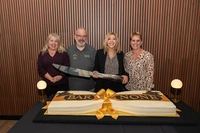
Marywood University celebrated the grand opening of Bar None, a new dining and gathering destination open to students, alumni, and the greater Scranton community.